Embroidery Coquette Thankful Png Review
As a professional embroidery designer who has spent years translating digital concepts into tangible thread, I approach every new asset with a critical eye. When small business owners and merch creators reach out for advice on branding their products, the quality of the source file is paramount. Today, I am reviewing the Embroidery Coquette Thankful Png. This design falls under the category of Illustrations and is marketed as a Graphics asset. My goal here is to evaluate its viability for commercial use, specifically for branded patches, staff uniforms, and custom apparel lines.
First Impressions: Aesthetic and Professional Appeal
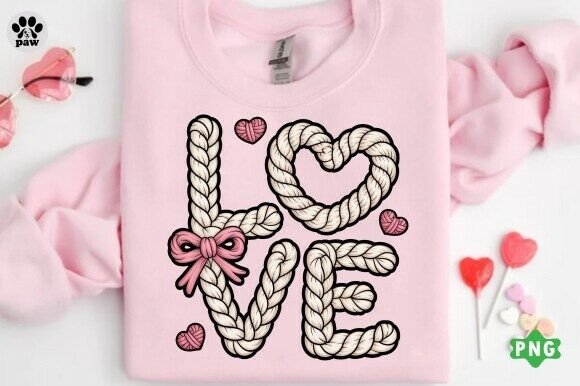
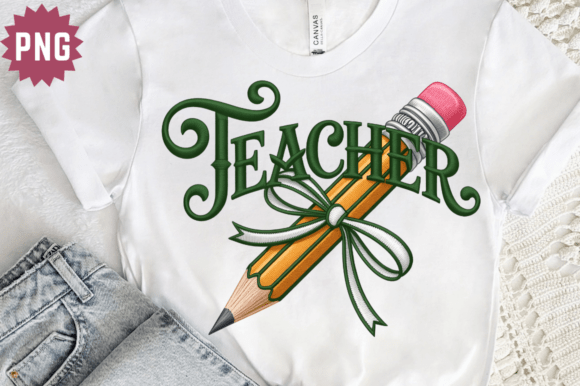
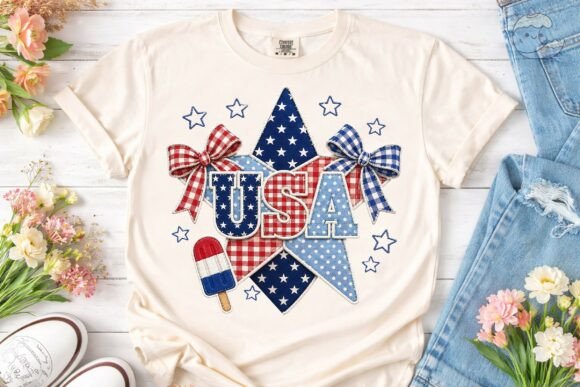
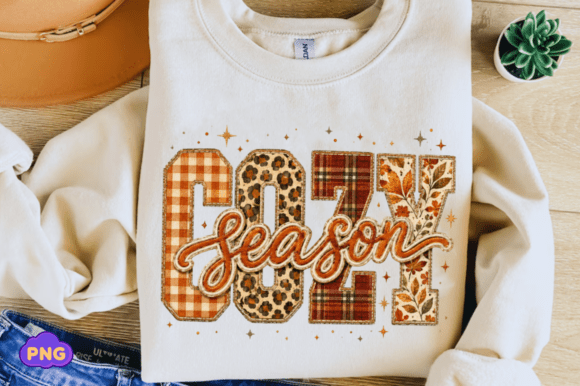
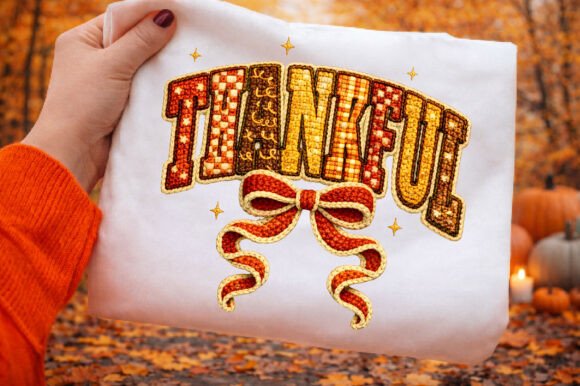
The title alone suggests a specific vibe: "Coquette" implies a soft, romantic, perhaps slightly vintage or feminine aesthetic, while "Thankful" grounds it in gratitude and warmth. For a boutique bakery, a florist, or a handmade soap brand, this combination offers immediate emotional resonance. Upon reviewing the technical specifications provided—High resolution images, Total 1 PNG files, measuring 12 inch x 12 inch at RGB Color 300 DPI—the potential for high-quality reproduction is evident.
In the world of machine embroidery design, clarity is king. A 300 DPI print-ready file ensures that when we convert this raster image into a vector path for stitching, the edges remain crisp. The "Easy to resize" feature mentioned in the description is a significant advantage for decorators who need to adapt a single design for various applications, from a tiny sleeve detail to a large back-of-shirt statement. However, the visual personality must align with your brand identity. If your business projects a rugged, industrial, or minimalist tech vibe, this design might feel too decorative. But for brands focusing on community, gratitude, and handcrafted value, it strikes a perfect chord.
Real-World Business Applications
Let's move beyond theory and discuss how the Embroidery Coquette Thankful Png performs in actual production scenarios. Imagine a local café launching a holiday collection. They need more than just a printed logo; they want tactile luxury. Using this file to create an embroidered patch for barista aprons instantly elevates the perceived value of the uniform. The intricate details typical of coquette styles often translate beautifully into dense, textured stitching that catches the light.
For small business merch, versatility is key. This design could serve as a central motif on a canvas tote bag design for customer giveaways. The 12-inch square resolution allows for scaling up without pixelation, ensuring the final product looks premium even on larger surfaces. Similarly, consider a cap embroidery project for a boutique team. Placing a smaller version of this graphic on the front panel creates a subtle yet memorable brand mark that customers will recognize across different touchpoints.
Furthermore, this asset works exceptionally well for event merchandise or seasonal promotions. A florist could use it on apron embroidery for a "Thanksgiving Harvest" event, creating a cohesive look that ties the staff together visually. The design also serves as an excellent accent for custom apparel like work shirts or hoodies, adding a layer of personality that screen printing sometimes lacks. Because it is a digital file, you can easily integrate it into printable mockups to show clients exactly how the finished product will look before committing to expensive thread and fabric.
Navigating Design Limitations and Challenges
While the Embroidery Coquette Thankful Png offers great potential, experienced designers know that not every graphic translates perfectly to thread without adjustment. There are specific areas where caution is required to ensure the finished product meets professional standards.
- Small Patch Sizes: While the file is easy to resize, shrinking a detailed illustration too much can lead to stitch density issues. Fine lines may merge, and tiny lettering within the design could become illegible. Always test the design at the intended size first.
- Curved Surfaces: Applying this design to the curved brim of a cap or the side of a bottle requires careful digitizing. Complex curves in the original Graphics file may distort if not properly adapted for the machine.
- Fabric Texture: On heavy textures like corduroy or thick denim, intricate details can get lost. The stitch density needs to be balanced so the thread sits flat against the fabric texture rather than sinking in or puckering.
- Dark Uniforms: Since the file is RGB, color selection is crucial. If using this on dark fabrics, you will need a strong underlay and potentially a satin stitch border to make the design pop. Without proper contrast, the "Thankful" sentiment may be lost.
Additionally, items that undergo frequent washing, such as daily-use aprons or staff caps, require robust stitching. High-density areas common in coquette designs can sometimes pull on the fabric over time. Ensuring the correct stabilizer is used during production is non-negotiable for longevity.
Impact on Brand Identity and Customer Trust
Choosing the right design assets is a strategic decision that affects brand identity and customer trust. When a client receives a tote bag or wears a shirt featuring a professionally embroidered logo, they perceive the business as established and quality-focused. The Embroidery Coquette Thankful Png brings a sense of care and attention to detail. It signals that the business values aesthetics and craftsmanship.
This level of presentation enhances buyer engagement. In the competitive landscape of Etsy sellers and handmade brands, standing out through unique commercial embroidery projects can be the difference between a one-time purchase and a loyal customer. Consistency is also vital; using this same design across patches, tags, and bags creates a unified visual language that reinforces recognition. However, remember that professionalism extends to the licensing. Before integrating this into your product line, confirm the commercial embroidery rights associated with the file to protect your business.
Practical Designer Notes for Production
For those ready to bring this design to life, here are my top recommendations based on industry best practices:
- Test in Black and White: Before committing to thread colors, run a test stitch in a single black thread. This reveals structural weaknesses and helps you visualize the flow of the design without the distraction of color.
- Verify Hoop Size: Although the file is 12x12 inches, your machine's hoop limits what you can actually stitch in one go. Check if the design fits your available hoop size or if it requires tacking down.
- Select Thread Colors Wisely: Match the thread colors to your brand palette. Ensure there is enough contrast between the background and the foreground elements for readability.
- Inspect Spacing: Leave adequate space around the design to prevent fraying or edge catching, especially on embroidered patch applications.
- Create a Mockup: Always present a printable mockup to your client or stakeholders for approval before cutting any fabric.
- Compare Assets: Place the Embroidery Coquette Thankful Png beside other existing logos or graphics to ensure visual consistency across your brand materials.
By following these steps, you ensure that the transition from a digital digital embroidery file to a physical handmade product is seamless. The Embroidery Coquette Thankful Png is a versatile tool in the decorator's toolkit, capable of adding warmth and professionalism to a wide range of merchandise when executed with care.