Do It for the Culture Machine Embroidery Review
As a designer who has spent years navigating the intersection of digital files and physical thread, I approach every new machine embroidery design with a critical eye. The market is flooded with generic patterns, but finding a piece that carries genuine weight and cultural resonance is rare. When I first opened the file for Do It for the Culture Machine Embroidery, I was immediately struck by its bold intent. This isn't just another decorative motif; it is a statement piece designed to honor Black History and celebrate Juneteenth with clarity and pride. For those of us in the craft business or looking to create meaningful handmade products, this design offers a unique opportunity to elevate our work beyond simple aesthetics.
First Impressions: Mood and Visual Impact
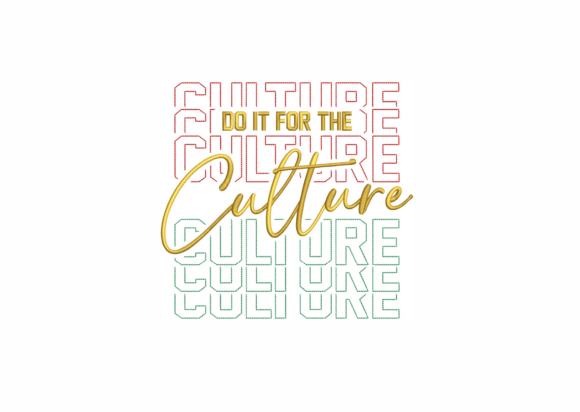
The visual personality of Do It for the Culture Machine Embroidery is strong and unapologetic. Upon previewing the layout, the balance between text and graphic elements feels intentional. In the world of Fashion and apparel decoration, legibility is often the first casualty of complex designs, but here, the typography stands firm. The shape suggests a modern take on heritage, making it suitable for a wide range of projects without feeling dated. Whether you are planning a sweatshirt embroidery project for a boutique or creating a personalized gift for a friend, the design communicates confidence immediately.
What stands out most is how the design handles negative space. Many digital downloads fail when transferred to fabric because they are too dense, causing puckering or thread breakage. However, the structure of this embroidery file appears to allow for proper air flow in the stitching, which is crucial for maintaining the integrity of the final product. The mood it creates is one of celebration and solidarity, making it an excellent candidate for holiday embroidery collections centered around June or year-round cultural appreciation events.
Real-World Application: A Tote Bag Case Study
To truly understand the potential of this design, let's walk through a real-life scenario. Imagine you are preparing a custom embroidered tote bag for a local craft fair. You want the item to feel substantial and professional, not like a rushed hobbyist project. Using Do It for the Culture Machine Embroidery on a sturdy canvas tote would likely yield impressive results. The design's scale works well across different areas of the bag, whether centered on the front or placed subtly on the side pocket.
In this context, the stitch density becomes a key factor. If the design relies heavily on fill stitch, you will want to ensure your stabilizer choice matches the thickness of the canvas. A cutaway stabilizer would be my recommendation here to support the weight of the thread without adding bulk that distorts the bag's shape. When customers pick up this finished product, they should feel the quality of the craftsmanship. The boldness of the phrase "Do It for the Culture" ensures high visibility, turning the tote into a conversation starter. This kind of engagement is vital for Etsy sellers and small shop owners who rely on word-of-mouth and social media presence to drive sales.
Expanding Your Product Line
Beyond tote bags, the versatility of this design opens doors for various custom apparel items. Consider a heavy-weight hoodie where the design is placed on the chest. The contrast of vibrant thread colors against a dark fabric could make the message pop even more. Alternatively, for a softer approach, a baby onesie or nursery decor item could feature a smaller version of the design, perhaps using pastel tones to soften the impact while retaining the core message. This flexibility is what makes a digital download valuable for a creative entrepreneur. You can adapt the same asset for multiple demographics, from youth streetwear to family heirlooms.
For those running a craft business, having a reliable design asset means you can streamline your production. Instead of spending hours digitizing from scratch, you can focus on perfecting your machine settings and finishing touches. The ability to produce consistent handmade products quickly is a competitive advantage. Whether you are selling at a holiday market or shipping orders online, consistency builds customer trust. When buyers see that your finished product looks exactly like the mockup, they are more likely to return for future purchases.
Navigating Challenges: Where Caution is Needed
While Do It for the Culture Machine Embroidery is robust, no design is immune to the challenges of physical materials. There are specific situations where you must exercise caution. First, consider the hoop size. Since this design comes in six sizes, always verify which dimension fits your hoop before starting. Attempting to stretch a large design into a small hoop will distort the lettering and ruin the visual appeal. Conversely, shrinking a small design onto a large hoop might leave too much empty space, making the project look unfinished.
Texture is another critical variable. On highly textured fabrics like denim or fleece, the running stitch and satin edges might get lost if the fabric pile is too high. Always test the design on scrap fabric first. This step allows you to check how the thread interacts with the weave and adjust tension settings accordingly. If you are working with thin or stretchy fabric, such as jersey knit, you will need a tear-away or water-soluble stabilizer to prevent the design from pulling the fabric out of shape during stitching.
Furthermore, be mindful of curved surfaces like caps. While the design looks great on flat surfaces, transferring it to a structured cap requires precise alignment. The curve of the brim can sometimes cause the bottom of the letters to bow slightly. If you plan to use this for embroidered patches, ensure the backing material is stiff enough to hold the shape after cutting. Finally, for products that require frequent washing, such as kitchen towels or aprons, check the durability of the stitches. Dense areas might shrink differently than the fabric over time, so a pre-wash of the material is essential.
Practical Designer Notes for Success
To maximize the potential of Do It for the Culture Machine Embroidery, follow these practical steps:
- Test on Scrap Fabric: Never skip the test run. Use a piece of the actual fabric you intend to sell to gauge color contrast and stitch behavior.
- Check Thread Colors: Ensure the chosen threads provide enough contrast against the background. A dark design on a black sweatshirt may require a metallic or neon accent to stand out.
- Review Stitch Density: Inspect the fill areas to ensure they aren't too tight, which can cause puckering, or too loose, which reveals the fabric underneath.
- Confirm Licensing: Before selling any commercial embroidery items, double-check the license terms of the digital embroidery file. Some designers restrict the number of items you can sell or prohibit reselling the file itself.
- Create Printable Mockups: Use the design to create realistic printable mockups for your online store. This helps customers visualize the final look and increases conversion rates.
- Compare Light and Dark Backgrounds: Test how the design looks on both light and dark fabrics to determine the best use cases for your inventory.
Ultimately, Do It for the Culture Machine Embroidery is more than just a pattern; it is a tool for storytelling. By understanding its strengths and limitations, you can create products that resonate deeply with your audience. Whether you are a hobbyist making gifts for loved ones or a business owner scaling your brand, this design offers a solid foundation for high-quality, culturally relevant Embroidery projects. With careful planning and attention to detail, your finished pieces will not only look professional but also carry a message that matters.