Cute Monkey Patches Embroidery Design Review
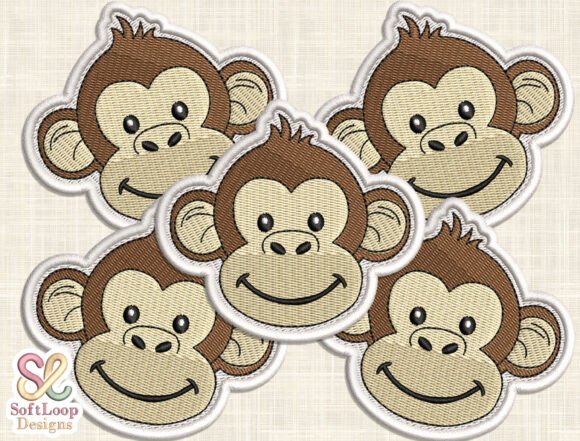
As an experienced embroidery designer preparing for the upcoming weekend craft fair, I am constantly scanning my digital library for designs that will stop a customer in their tracks. Today, I am putting Cute Monkey Patches Embroidery Design under the microscope. This isn't just about downloading an embroidery file; it is about understanding how this specific asset translates into a profitable, high-quality craft fair product. The description promises to help us "go bananas" with a playful and mischievous jungle feel, which sounds promising for a booth filled with handmade goods. Let's break down exactly how this design performs when moved from the screen to the fabric.
First Impressions: Playful Jungle Vibes for the Modern Maker
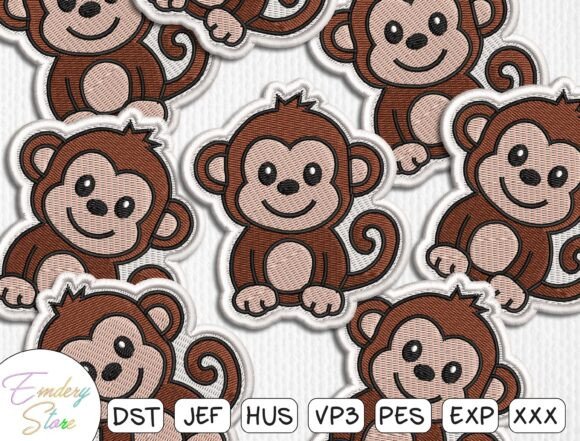
At first glance, Cute Monkey Patches Embroidery Design exudes a whimsical charm that fits perfectly within the Baby Animals category. It feels less like a traditional rustic farmhouse piece and more like a modern, fun accent that appeals to parents, children, and anyone who loves a touch of personality in their accessories. The design strikes a balance between being bold enough to catch the eye from across a crowded market table and soft enough to remain endearing up close. For an Etsy seller or boutique maker, this type of aesthetic is crucial because it suggests joy and approachability. When customers see a monkey peeking out from a tote bag or sitting atop a tea towel, they immediately associate the product with happiness and playfulness.
Product Versatility: Where Does This Design Shine?
The true test of any machine embroidery design is its versatility across different mediums. As I plan my booth layout, I am visualizing several key applications for Cute Monkey Patches Embroidery Design.
- Tote Bags and Market Bags: A large version of this design on a canvas tote bag creates an instant statement piece. The playful nature of the monkey makes it perfect for shoppers looking for a fun alternative to plain bags.
- Apron Embroidery: Placing this design on the bib of a linen apron adds a touch of humor to kitchen wear. It transforms a utilitarian item into a conversation starter, which is essential for driving sales at a handmade market.
- Tea Towel Embroidery: Kitchen linens are a staple for craft fairs. The "jungle feel" mentioned in the description works beautifully here, adding a pop of color and character to a neutral home decor item.
- Embroidered Patches: Perhaps the most practical use is creating detachable patches. These can be sold individually or applied to denim jackets, caps, and backpacks, offering a low-cost entry point for budget-conscious buyers.
- Pillow Covers and Small Pouches: For those looking for giftable items, this design fits well on small pillow covers or cosmetic pouches, making them ideal stocking stuffers or last-minute gifts.
When creating printable mockups for my online shop, I find that this design photographs exceptionally well. The distinct shapes of the monkey stand out against various background colors, ensuring that the listing images are vibrant and engaging. This visual clarity is vital for digital sellers trying to compete in a saturated marketplace.
Practical Production Notes for the Serious Crafter
While the concept is delightful, the execution determines whether you walk away with profit or wasted thread. Before committing to batch production for a weekend event, there are critical technical factors to consider regarding Cute Monkey Patches Embroidery Design.
Stitch Density and Fabric Texture
One of the first things I check is the stitch density. Designs in the Baby Animals category often feature rounded edges and detailed facial expressions. If the stitch count is too dense, the fabric may pucker, especially on softer materials like cotton flannel or fleece. Conversely, if the density is too low, the design might look sparse and lack definition. I always recommend testing the design on scrap fabric that matches your intended final material. For textured items like terry cloth tea towels, you must ensure the stabilizer is strong enough to prevent the needle from pulling through the loops, which could ruin the finished product.
Hoop Size and Scaling
It is tempting to shrink a design to fit smaller products, but Cute Monkey Patches Embroidery Design relies on its cute features to sell. If you scale it down too much for a cap or a small pouch, tiny details like the eyes or fingers may become indistinguishable blobs of thread. Always verify the minimum recommended size in the digital embroidery file instructions. Furthermore, confirm the hoop size required. If the design requires a 5x7 hoop but you only have a 4x4 machine, you may need to split the design, which introduces registration risks and increases production time.
Thread Colors and Contrast
To maximize customer attention, the choice of thread colors is paramount. A brown monkey on a tan bag will get lost, while the same design on a bright teal or mustard yellow background will pop. For dark fabrics, using a white or light-colored backing layer (underlay) is essential to make the colors vibrant. As a professional tip, create at least one real mockup before printing your signage. Seeing the physical contrast helps you decide which fabric colors will yield the best return on investment.
Strategic Selling: From Booth Display to Online Listings
How does Cute Monkey Patches Embroidery Design impact your bottom line? In a physical booth setting, visual appeal drives impulse buys. A display featuring embroidered caps, tote bags, and patches all unified by this playful theme creates a cohesive brand identity. It signals to the buyer that you specialize in fun, high-quality handmade products. The design's inherent cuteness encourages people to pick up the items, touch the stitching, and imagine it in their own lives.
For the small shop product owner, this design offers excellent repeatability. Once you have dialed in the settings for your machine, you can produce a batch of identical items efficiently. This consistency is key for maintaining inventory levels during busy craft fair weekends. Additionally, the design works well as a focal point for marketing. Whether you are posting on social media or updating your Etsy listings, the "go bananas" theme provides ready-made copy and visual hooks to engage your audience.
Final Checklist for Commercial Success
Before you start sewing your entire inventory, run through this quick checklist to ensure a smooth production process:
- Test Stitch: Run the design on scrap fabric to check for puckering or skipped stitches.
- Stabilizer Selection: Choose the right tear-away or cut-away stabilizer based on your fabric weight.
- Licensing Check: Confirm that your license allows for selling finished goods. Some commercial embroidery licenses have restrictions on the number of items you can sell.
- Mockup Creation: Photograph the design on actual products to create authentic design assets for your website.
- Color Planning: Select fabric colors that provide high contrast for the thread to ensure the design stands out.
In conclusion, Cute Monkey Patches Embroidery Design is a strong contender for any maker looking to add a dose of fun to their portfolio. It bridges the gap between a simple tote bag design and a premium finished product with ease. By paying attention to the technical details of Embroidery production and leveraging the design's natural appeal, you can create a standout collection that resonates with craft fair shoppers and online buyers alike. Go ahead and let your creativity run wild—just remember to test first, so your monkeys look as good in person as they do on the screen.